Leh – The Indus Valley of Ladakh
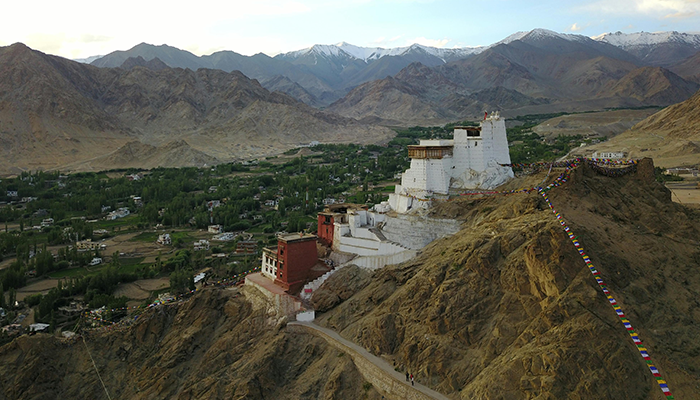
Leh, often referred to as the “Indus Valley of Ladakh,” is a captivating town nestled at an altitude of approximately 3,500 meters in the northern Indian region of Ladakh. Leh is the cultural and historical heart of Ladakh, surrounded by rugged mountains, high-altitude deserts, and panoramic valleys shaped by the flowing Indus River. Its unique geography, combined with rich cultural heritage, makes it one of the most sought-after destinations for travelers, adventure seekers, and spiritual explorers.
The town of Leh is famous for its centuries-old monasteries, such as Thiksey Monastery, Hemis Monastery, and Shey Palace, which reflect the deep-rooted Buddhist traditions of the region. Visitors can explore the historic Leh Palace, wander through bustling local markets, and experience the warm hospitality of the Ladakhi people. The valley itself, nourished by the Indus River, supports small settlements, lush gardens, and verdant patches that stand in stark contrast to the surrounding arid mountains.
Leh serves as a base for exploring nearby high-altitude destinations like Nubra Valley, Pangong Tso Lake, and Tso Moriri Lake, all accessible through scenic mountain passes such as Khardung La. The valleys around Leh offer unparalleled opportunities for trekking, camping, river rafting, and photography, making it a paradise for adventure enthusiasts and nature lovers alike.
The combination of breathtaking landscapes, spiritual heritage, and unique culture makes Leh an unforgettable destination. The town’s position in the Indus Valley allows travelers to witness the striking contrast between barren mountains, flowing rivers, and vibrant local life, capturing the essence of Ladakh’s high-altitude beauty. Truly, Leh, the Indus Valley of Ladakh, is a place where nature, adventure, and spirituality converge to create an extraordinary travel experience.